The future of youth justice: lessons from the Netherlands

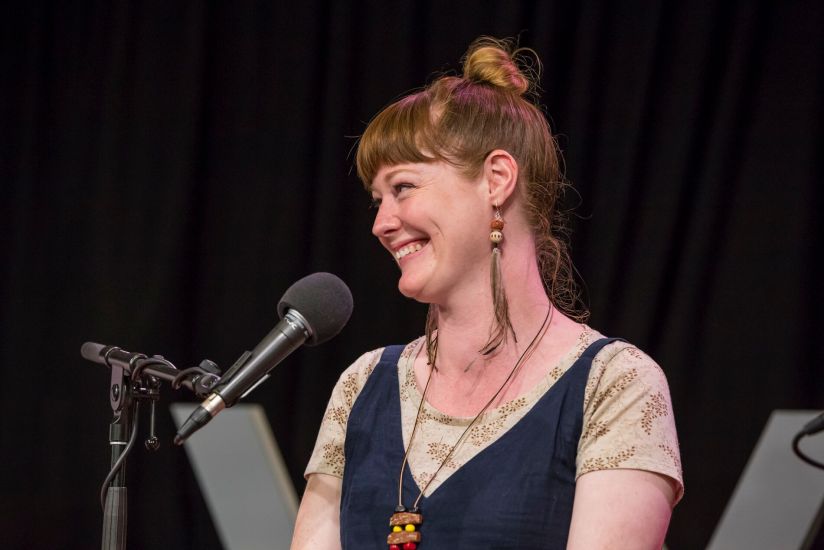
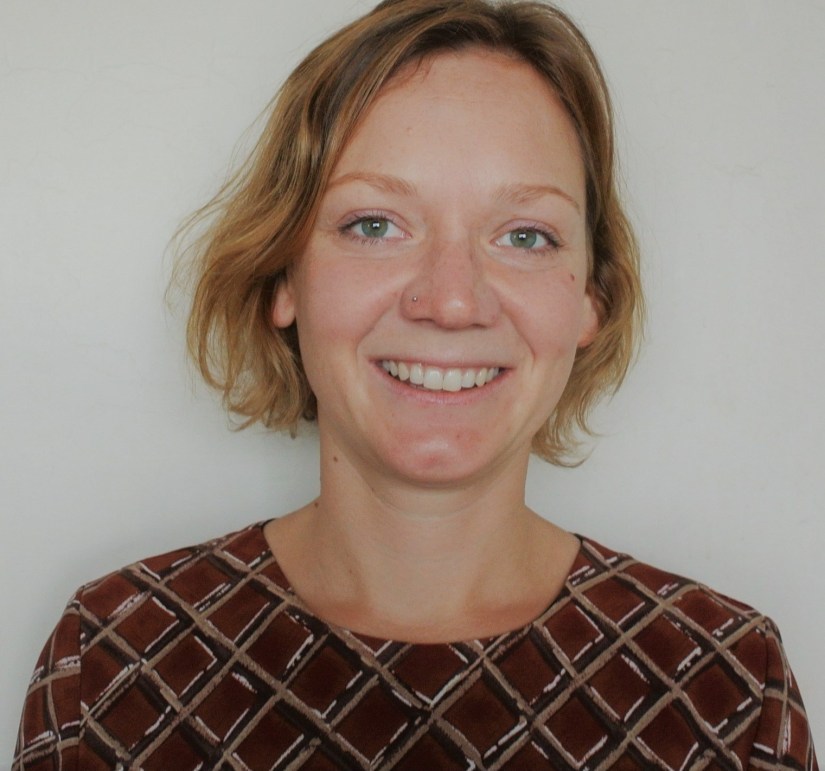
This is a guest blog by Fleur Souverein. Fleur is in Melbourne as a visiting scholar of the School of Social and Political Sciences at the University of Melbourne until the end of March 2020.  

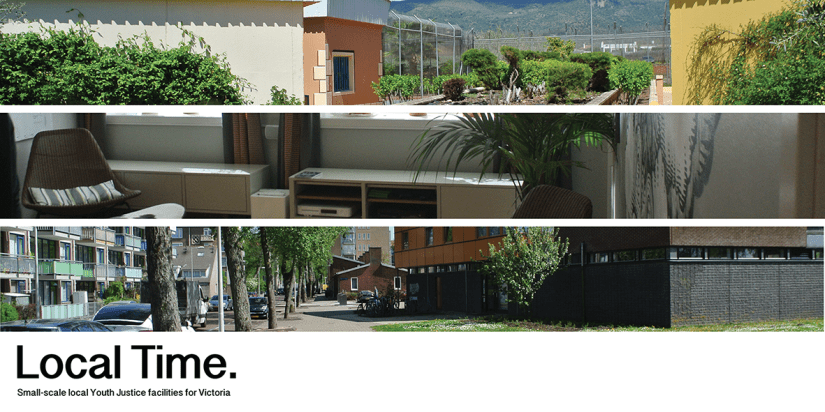
Together with our co-convenors Diana Johns, Stuart Ross and Sanne Oostermeijer, Local Time Designer, she is conducting a comparative analysis of youth justice and its social-cultural, political and systemic context in the Netherlands and Victoria; to explore how key elements of the Dutch model may be transferred to and implemented in Victoria to alleviate some of the current challenges.

orange leaf on chainlink fence
Photo by Brett Sayles on Pexels.com

Thank you to the JYP network for inviting me to write a guest blog about my research work.  Please feel free to email me  if you would like to discuss any aspect of my research.

The focus of my project lies on the feasibility and efficacy of small scale community based juvenile justice facilities and the conceptualization of relational security  in a juvenile justice setting. Aligned with my PhD, I’m leading an intensive three year evaluation project of a community based juvenile justice facility in Amsterdam. Each aspect of this facility is carefully monitored: implementation, criteria for placement and assessment process, the trajectories during and after placement, the work processes, effective components and challenges; involving quantitative research methods (case file analysis, questionnaires) as well as qualitative research method (weekly observations at the facility, observations during the monthly pilot’s advisory boards meetings and semi- structured interviews with juveniles, parents, staff and stakeholders). This project is subsidized by the Ministry of Justice and Security, supervised by Prof.  A. Popma, Dr. E. Mulder and Mr. Dr. L van Domburgh.

The semi-open small scale community based facility in Amsterdam provides security and structure for justice involved young people (boys on remand) who do not necessarily need high security measures, in close proximity to their social environment and support.

A young person says: ‘The facility resembles a normal life, as it is supposed to’.

During incarceration, under continuous supervision, protective factors (like school, work, social support structures, mental health care) are continued or initiated within the community.

In nearly all trajectories (98%) pre-existing structural daytime activities (like school or work) were continued or initiated within the community. The same accounts for external support structures. For example, if a young person was seeing a psychologist or social worker at the time of his arrest, the facility allows this treatment to continue while the young person is at the facility.

A young person says: ‘It is very good that I can work here, it allows me to really work on myself. I have an exciting job. It stimulates my personal development’.

A follow-up review showed that an average of ten months after release the majority of the young people (78%) were still engaged in a structured daytime activity (like school or work).

The facility operates on a small scale with a maximum of eight young people with an individualized approach through differentiated arrangements in security and care.

A young person says: They [staff] are focused on you individually, your development. This is different inside [to a high security juvenile justice institution]. There they have more standard sanctions, this or that. It is more them vs us.

Within a therapeutic institutional environment, security is mainly established through relational security, supported by a few physical and procedural security measures. Within context of this facility, relational security is conceptualized by the following three distinct but interrelated facets:

A constructive working alliance between the young people and the staff where all young person’s autonomy and responsibility are explicitly promoted by the staff. The young person and their parent/caregiver sit in on every meeting where stakeholders meet to discuss the young person’s own treatment plan.

The facility creates a space where young people can learn by trial and error. Within this alliance, staff take on a coaching role and communicate in a non-authoritative way. No standard sanctions apply; after every rule violations a staff member sits with the young person and their case manager to discuss the appropriate sanction. The focus lies on the underlying factors that led to the inappropriate behavior and what young person needs to do to prevent this behavior in the future.

A young person says: ‘You can see that they truly give you a chance; you can only mess it up yourself, no one else can. They give you space to show that you are willing to do well. But they also give you the space to fuck it up. You can easily walk out of the door; it is your decision if you go or not.’

Staff-young person interaction is characterized by six elements: love and attention, connection, sincerity, empowerment, with staff as a role model, and respect for mutual boundaries.

A young person says: Ok so, look at it this way. You are sick and I want you to get better. Then I throw you into a room full of sick people. Do you think you will get better? Hell no! That is why I believe this works.

Why? Here I am surrounded with positive people, healthy people. I take something positive with me when I leave; the staff inspire me’

Security staff are present to observe, signal, prevent and, if needed, de-escalate incidents that might arise.

A young person says: ‘Small incidents never really escalated because there is always someone there’.

Further by being present, staff are available if a young person needs (emotional) support; also staff presence allows for a lot of (informal) contact with the young people so staff members get to know everyone individually and know how to intervene in a de-escalating manner.

In the interviews, both staff as well as young people and their parents/caregivers report high measures of experienced safety; an analysis of the daily staff reports show a very low incidence of severe aggression incidents. The young people and their caregivers state positive relationships with staff and feel supported. Staff report that they have job satisfaction and the staff turnover rate is low.

These preliminary results show that relational security can provide a framework to establish both a supervised and structured as well as therapeutic and safe environment in juvenile justice settings.

In the coming year, our research team at the Academic Collaborative center for (at-risk) justice involved youth (AWRJ) will further develop this concept of relational security and its operationalization and outcomes in various juvenile justice settings.

Fleur

Profielfoto Fleur


Event program for our co-hosted launch of the Local Time Design Guide tonight

LaunchImages_02-02

Victorian Design Challenge Award winning Local Time designers Dr Sanne Oostermeijer and Matthew Dwyer have developed a design guide outlining a new architectural model for youth justice facilities that are ‘small-scale, integrated in the local community, therapeutic and capable of differentiated security’.

The Victorian Design Challenge Jury concluded that ‘Dwyer and Oostermeijer demonstrated a sophisticated understanding of how design can contribute to the resilience of Victoria’s youth community by maintaining connections with family, education, health services and place. Keeping these vulnerable young people in appropriate facilities within their local communities provides a much better chance for their futures.’

The Local Time Design Guide will be launched at an event at the University of Melbourne tonight.

Media enquiries: Michelle McDonnell, JYP network’s Directory of Advocacy on 0451 538 224.

Launch Program Thurs 6 February 2020

The Justice-involved Young People network at the University of Melbourne and RMIT Architecture present:

Launch of Local Time Design Guide: a new architectural model for youth justice facilities in Victoria

5.30pm: Networking opportunity
6.00pm: Welcome to Country by Aunty Di Kerr OAM
6.15pm: Introduction to Local Time
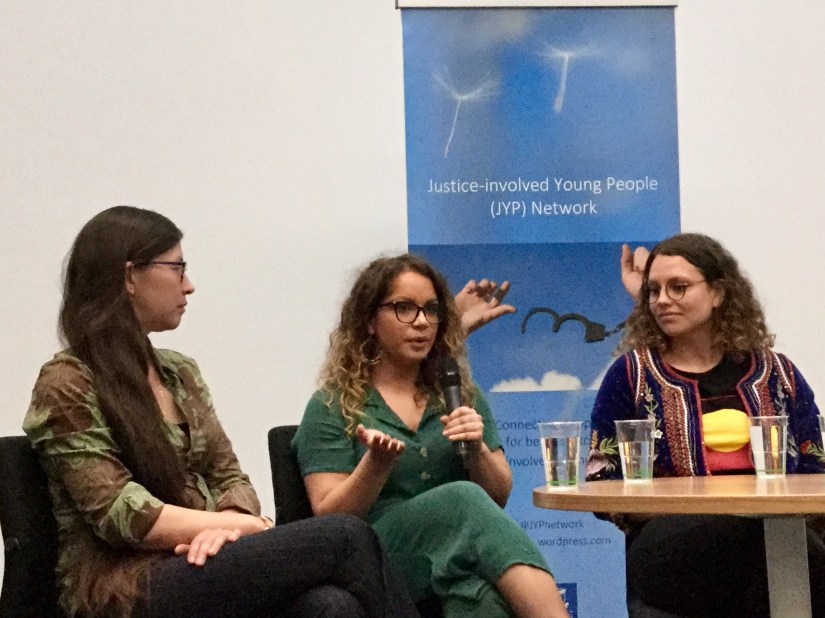
6.25pm: Panel discussion with Charby Ibrahim, Fleur Souverein & Andrew Martel
7.00pm: Audience questions
7.15pm: Launch of Design Guide
7.30pm: Drinks and nibbles in foyer to 8.15pm

Registration details here


Launching Local Time Design Guide for Victoria

LaunchImages_02-02We invite you to the launch of the Local Time Design Guide for Victoria, Australia.

Award winning Local Time designers Dr Sanne Oostermeijer and Matthew Dwyer have developed a design guide outlining a new architectural model for youth justice facilities that are ‘small-scale, integrated in the local community, therapeutic and capable of differentiated security’.

The Design Guide acts as a starting point for discussions with your local stakeholders, community organisations and government.

Join us at the launch of the guide in Melbourne on 6 February 2020, with a panel discussion that includes Fleur Souverein and Dr Andrew Martel.

We end with a networking opportunity with drinks and nibbles.

Register here

How to host your own screening of ‘In My Blood It Runs’ next year + education resources

This week, our network supported a special screening of the film, ‘In My Blood It Runs‘ for teachers and educators.  Organised by our co-convenor Dr Sophie Rudolph, it was followed by a panel discussion, chaired by Dr Melitta Hogarth, Senior Lecturer in Indigenous Education, Melbourne Graduate School of Education. Panelists included Naomi Oakley, Banok Rind and Rachel Edwardson.

We thought you might like to know that from March next year, there’s the opportunity for your network to host a private or public screening of the film for your friends, workplace or community. This will start a conversation about the issues faced by Aboriginal and Torres Strait Islander children like Dujuan and includes fund raising opportunities as well.

More details here.

‘In My Blood It Runs’ is also publishing education resources for teachers  to make sure schools are safe learning spaces for all students and expand the knowledge and understanding about Aboriginal and Torres Strait Islander histories and worldviews.

in my blood it runs.jpg
 Rachel Edwardson, Banok Rind and Naomi Oakley in conversation.

Meet two of our JYP advisors

Our network advisors meet regularly to provide our the network with specialist and strategic advice on issues relating to justice involved young people in Victoria, including advice on priorities, goals, direction and possible activities of the network. This includes supporting the identification and sharing of emerging trends and issues in youth justice.

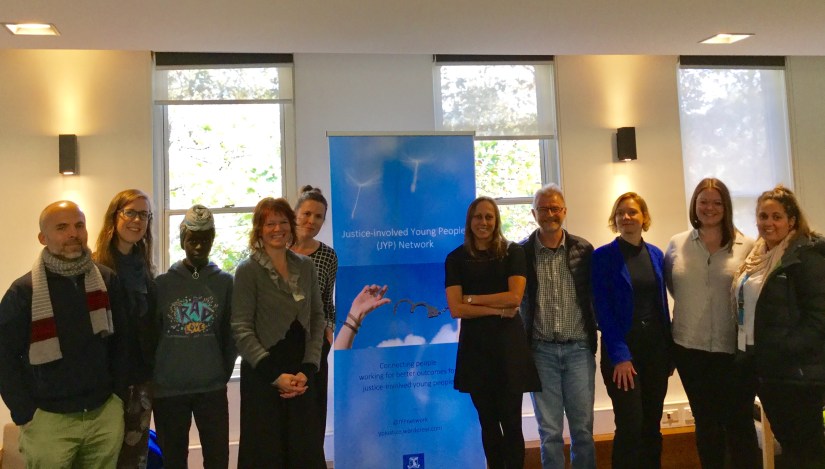
JYP advisory group photo
Some of our advisers with Diana and Sophie at our first meeting in 2019

This group also contributes to raising community awareness of the issues experienced by justice involved young people in Victoria by offering expert media comments on behalf of the network on a particular issue, where appropriate.

Members of the JYP advisory group are appointed as individuals, not as representatives of an organisation or other network.

Two of our advisors, Emily and Sanne

Emily Munro-Harrison is a Wiradjuri woman and early career academic. Her professional background includes working in policy, evaluation and research, with a focus on participatory and community led methods in Indigenous youth justice, prevention of violence, place-based research, and health and wellbeing. She currently works as a Senior Research Officer at Murdoch Children’s Research Institute. Emily is completing her PhD examining experiences and expressions of culture and identity by young Aboriginal and Torres Strait Islander people in Melbourne, at the University of Melbourne. She has qualifications in social science, environment and creative writing.

Emily’s research approach focuses on community identified and driven needs, using qualitative methods that centre the voice of those the research is designed to benefit.

In 2016 Emily co-founded the Indigenous Group of Learning, a cultural support and visitation program for Aboriginal men at Port Phillip Prison. This program uses culture, art, music, literacy and aspirations to develop goals for the future with participants.

EMH headshot 1
Emily Munro-Harrison

Sanne Oostermeijer  is a Research Fellow at the Centre for Mental Health, School of Population and Global Health. Sanne graduated with a Research Master in Cognitive Neuropsychology and a PhD from the Department of Child and Adolescent Psychiatry, VU medical center in 2017 (The Netherlands). Her research focus is on the mental health and well-being of young people, with a particular focus on justice involved young people.

Sanne has been involved in several multi-disciplinary and international projects in collaboration with various academics, health professionals, social workers, architects and people with lived experience. Her work mostly involves mixed-methods approaches, including stakeholder interviews, focus groups, and service provider data (e.g., national minimum data sets).

Last year she won the inaugural Victorian Design Challenge 2018 together with her partner, architectural graduate Matthew Dwyer, for their proposal ‘Local Time: Promoting resilience in the Juvenile Justice System’. This ongoing project establishes how small-scale local youth justice facilities can best support positive outcomes for justice involved young people in custody.

Sanne is passionate about finding local solutions and promoting service integration and person-centred care in both the juvenile justice system and the mental health care system.

SO headshot
Sanne Oostermeijer